Decoding the Cost: How Much Does a Custom Father's Day Surprise Box Cost?
Gift-giving, especially for someone as well-equipped and beloved as your father, can feel like navigating a minefield of expectation. You want to say "I love you" with something tangible, but finding that perfect blend of novelty, sentimentality, and practicality often leads to spending hours—and dollars—on things he might just forget about later. If the idea of a curated surprise box sounds magical, the inevitable follow-up question is: how much does a custom father's day surprise box cost?
The truth is, there is no single answer. The price tag isn't dictated by a fixed formula; it’s an intricate tapestry woven from the quality of the goods, the complexity of the curation, and the sheer amount of love poured into the presentation. But don't panic. By understanding the variables that influence the cost, you can move past the guesswork and design a box that feels priceless—even if its components add up to something manageable.
The Core Variables: What Drives the Surprise Box Price Tag?
When you start researching pricing, it's easy to get lost in fluctuating numbers. Instead of focusing solely on how much does a custom father's day surprise box cost?, you need to understand the core factors that professional curators and Etsy sellers consider. These variables act like levers, pulling the final price up or down depending on what level of luxury or personalization you require.
1. The Grade-A Goods: Sourcing Quality
The single biggest determinant is the material quality within the box. Are we talking about mass-market items sourced in bulk, or are we discussing artisanal goods from small, independent makers? A gourmet coffee blend from a local roaster will cost significantly more than a standard grocery store brand because you are paying for the provenance and the unique roasting process.

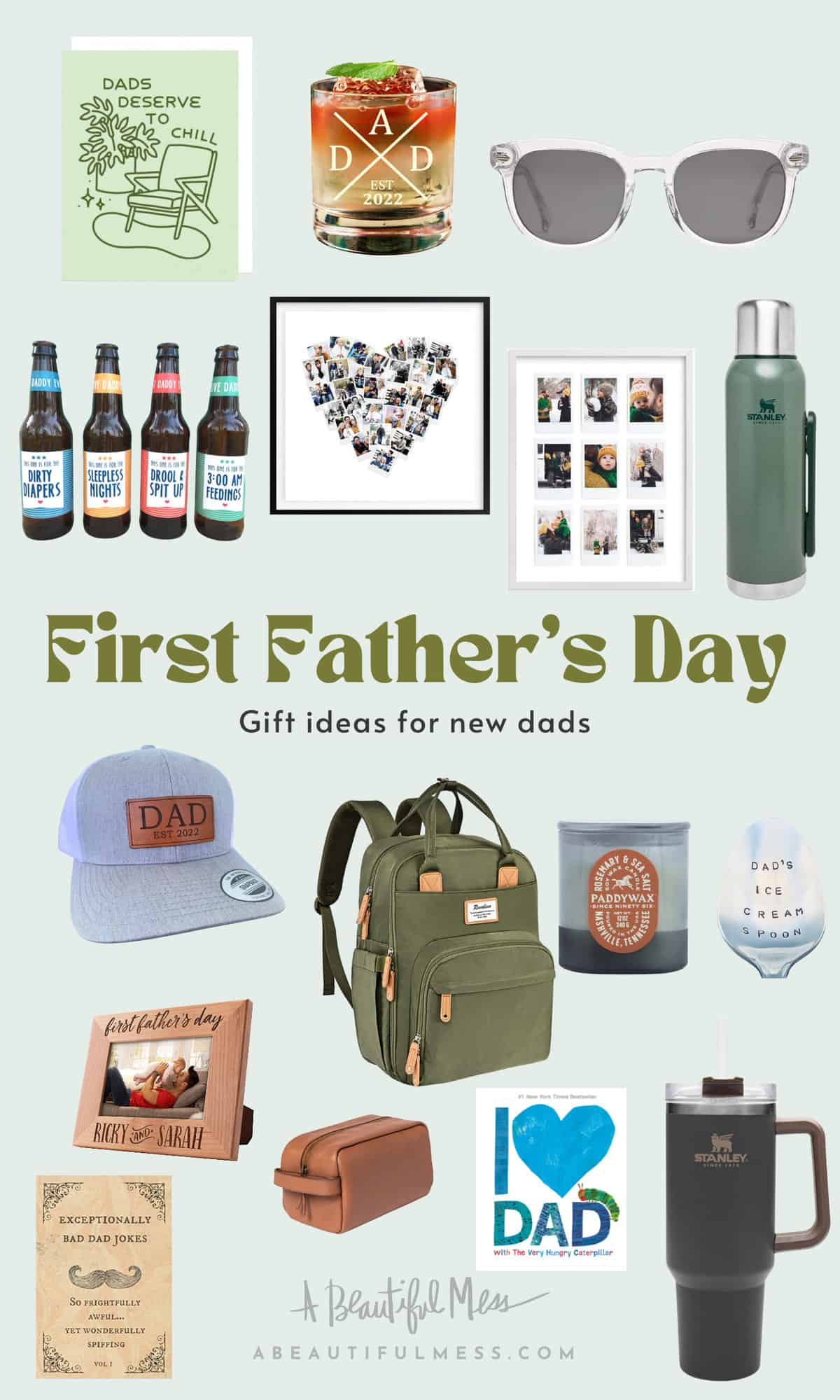
- Artisanal/Niche: Costs rise here due to limited supply and specialized craftsmanship (e.g., hand-whittled items, small-batch bourbon).
- High Volume/Commodity: Prices stabilize and drop significantly when using widely available or generalized gift items.
2. The Scale of the Operation: Size and Scope
A mini box designed to fit on a desk will naturally cost less than a large "man cave" style hamper that requires significant shipping materials and multiple compartments. Think of size not just in cubic inches, but in number of distinct product categories. A box covering four different areas Father's Day Hampers for dads (coffee, grooming, snacks, reading) is inherently more complex—and therefore pricier—than one limited to just two.
3. The Magic Touch: Customization and Curation
This element often gets undervalued. When a provider offers true customization, they aren't just buying products; they are selling expertise. They are spending time on concept development, sourcing unique items that fit the theme (e.g., "mid-century woodworking enthusiast"), and designing the aesthetic flow. This labor—the curation itself—is where much of the added value resides.
Deconstructing the Components: Beyond Just Stuff
If you break down a surprise box into its component parts, you realize you are paying for more than just physical objects. You are paying for effort.
Consider this metaphor: A simple shoebox full of random items is like buying ingredients from a bulk store. It’s cheap, but you have to do all the cooking yourself. A professionally curated box, however, is like ordering a gourmet meal kit—everything is measured, paired, and designed to work together seamlessly.
What exactly makes up that 'extra' cost?
- The Narrative: The accompanying handwritten notes or small cards that explain why each item was chosen elevate the gift from mere collection of goods into a cohesive story.
- Packaging Design: Premium packaging—think custom-printed boxes, velvet lining, and branded ribbons—adds immense perceived value. This is often where sellers invest heavily to make the unboxing experience feel cinematic.
- Logistics & Time: The time required for sourcing, quality control checks, and careful packing cannot be overstated.
"The best gifts are not things; they are experiences wrapped in sentiment." - Unknown Curator
This quote perfectly encapsulates that a gift's worth is often measured by the thought behind it, not the cost of its components.
Budgeting Strategies: Finding Your Perfect Fit
If you have a budget—say, $75 or $150—how do you shop smarter? The key is to define your primary focus. Are you prioritizing sheer volume (lots of small things), luxurious single items (one incredible watch accessory), or the deep level of personalization?
Here are three ways to approach budgeting without sacrificing thoughtfulness:
- The "Experience-First" Box: Allocate 70% of the budget to one high-quality, unique item that speaks directly to his deepest passion. The remaining 30% fills out smaller, complementary items (like a nice snack or reading light).
- The "Volume Luxury" Box: Focus on accumulating many smaller luxury consumables—gourmet coffee samples, artisanal chocolates, beard oils. This gives the feeling of abundance without needing one massive centerpiece item.
- The DIY Hybrid: Take inspiration from professional boxes but purchase components yourself. You save money while maintaining a high level of quality control and hyper-personalization.
I once knew a friend who spent $300 on a pre-made box, only to realize the included whiskey was something he’d already tried and disliked. He later recreated an entirely personalized box with local goods for $120, and his father raved about it because it felt like him.
Crafting Memories: The Value of Thoughtfulness Over Dollar Amount
Ultimately, when you ask yourself how much does a custom father's day surprise box cost?, the most important number isn't printed on a price tag—it’s the measure of your time and attention. A truly great gift doesn't need to be prohibitively expensive; it needs to be irreplaceable.
If you are struggling with where to start, ask yourself: What does he complain about needing? What activity does he talk about when he thinks no one is listening? Those answers are your gold mine. Don't buy gifts based on what you think a father "should" like; buy things based on what he actually enjoys doing in his downtime.
Beyond the Box: Curating Memories Year-Round
The concept of the Father's Day surprise box shouldn't be confined to one weekend of mandatory gift-giving stress. The best way to honor a father is to weave thoughtfulness into the everyday fabric of your relationship. Think about making moments, not just purchasing things.
Start small:
- Implement "Micro-Surprises": Send an unexpected coffee delivery on a Tuesday morning, along with a note mentioning a shared inside joke.
- Schedule Dedicated Time: Rather than presenting a box and leaving, commit to spending quality time doing one of the activities suggested by the items in the box (e.g., "Let's actually use these whiskey pairings this Friday").
By shifting your mindset from transaction to ongoing experience, you transform gift-giving into relationship maintenance—a far more valuable endeavor than any pre-packaged surprise box could ever be. Start gathering those small moments today, and the perfect gift will naturally follow.