The Art of the Grand Gesture When You Don't Know His Tastes
If you’ve ever found yourself staring at a beautifully curated gift website—the kind that makes you feel like you should know exactly what your father loves, right down to his preferred brand of artisanal mustard or vintage pipe tobacco—you understand the pressure. The stakes are high. This isn’t just about buying an object; it's about capturing and conveying appreciation.
The truth is, gift-giving anxiety is real. We want that "Aha!" moment—the gasp of delighted surprise when he realizes you truly get him. But what if your knowledge ends at the level Coffee Lover of "he likes comfort"? What if his tastes are a labyrinthine mix of rugged outdoor gear and quiet Sunday mornings reading historical biographies?
Most guides tell you to 'ask friends' or 'look at Instagram.' Those tips feel flimsy when faced with the sheer weight of wanting to do something truly meaningful. The core problem isn’t finding an expensive gift; it’s finding an effortlessly impressive one that feels deeply personal, even when your personal knowledge pool is running low.
Here is how to approach luxury gifting not as a guessing game, but as a masterful curation of experience.
Shift Your Focus: From Object Ownership to Shared Experience
The most luxurious things we own often aren't the objects themselves; they are the memories those objects facilitate. When you lack specific knowledge about his preferences (the what), your best bet is to focus on creating an environment or a shared ritual (the how). Business Professional These types of gifts transcend specific tastes because they tap into universal human pleasures: connection, relaxation, and indulgence.
Consider framing the gift around an event rather than a product. Will he enjoy a weekend trip to a town known for its exceptional whiskey tasting? A private cooking class focused on regional Italian cuisine? Tickets to a rare performance (opera, symphony, or even a specialized historical lecture)? These suggestions show you've invested time in his life, not just his closet.
The power of the collective experience is always greater than the sum of its parts. This realization should be your guiding principle when feeling overwhelmed by choice.
The Three Pillars of Universal Luxury Appeal
If experiences feel too abstract, don't panic. There are three reliable pillars—categories of luxury—that appeal universally because they touch on fundamental human desires: Taste, Comfort, and Time. By curating gifts within these areas, you sidestep the need to know his niche hobbies and instead hit universal notes of sophisticated indulgence.
1. The Pillar of Elevated Taste (Gourmet & Liquid)
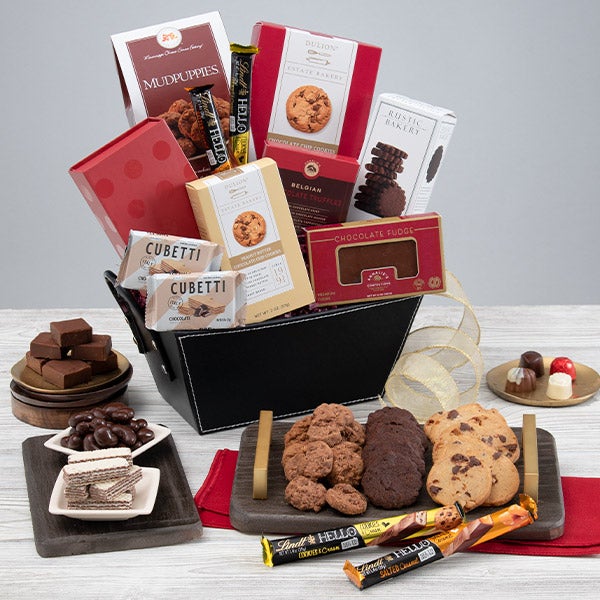
This is perhaps the easiest entry point into luxury gifting because taste itself is often a pleasure that transcends personal preference. When in doubt, aim for rarity and provenance. Don't buy a bottle of Scotch; find a limited-edition single malt from a specific, storied distillery. Instead of generic gourmet snacks, assemble a curated charcuterie or cheese board featuring items sourced from distinct regions—perhaps three types of fig jam, two unique balsamic reductions, and an olive oil tasting set. The act of presentation becomes part of the gift itself.
2. The Pillar of Ritualized Comfort (The Sensory Gift)
Luxury comfort is less about buying a softer blanket and more about creating a moment of deep relaxation. Think of items that facilitate a small, sacred daily ritual: a high-quality leather journal paired with an exceptional fountain pen; luxurious hand soaps and scented body washes from niche brands; or the perfect weighted throw for reading by the fire. These gifts suggest you understand the value of slowing down.
3. The Pillar of Time (The Gift of Mastery)
This is the most thoughtful, yet least obvious category. A gift of time isn't just about leisure—it’s about opportunity. Consider a subscription box that delivers expertise: monthly access to masterclasses in mixology, high-end photography courses, or curated literature readings. Or perhaps a voucher for a local service he might never treat himself to, like a deep tissue massage from an acclaimed therapist, or a private car detailing session. You are gifting him the space and resources to improve or enjoy.

Beyond the Basics: The Curatorial Checklist
To make any luxury gift feel bespoke—even if you bought it off a general recommendation list—you must focus on presentation and pairing. This is where the "effortless impression" comes from.
Do not buy items individually. Instead, approach the purchase as an ensemble. If you select a high-end shaving kit (the item), pair it with a small box of artisan bitters and a book on classic literature (the context). The story connecting the pieces is what elevates the perceived value far beyond the cost.
I remember once going through this exact dilemma for my father. I bought him an exquisite, expensive fountain pen—a beautiful piece of engineering. It felt huge, too big. But then, I remembered reading about his old university and found a small box of rare pens that had been used by famous alumni from that school. Suddenly, the pen wasn't just an expensive item; it was a piece of history connected to his alma mater. The shift in narrative made the gift infinitely more meaningful.
As one renowned curator once said, "The goal is not to show how much you spent, but how deeply you paid attention."
What Comes Next
Ultimately, the most successful luxury gifts are those that don't scream "I bought this because it was expensive" but whisper, "I see you." They suggest a shared future—a weekend getaway, a new shared ritual, or simply an uninterrupted hour of quiet contemplation. When you approach Father’s Day (or any significant milestone) with the mindset of the curator rather than the shopper, your efforts will naturally become both thoughtful and wildly impressive.
The greatest gift is never something bought; it’s always something remembered—and given the chance to create that memory together.